Driploc Grease System vs. Generic Grease Containment: What Arizona Restaurant Owners Need to Know
Choosing the right grease containment system is one of the most important decisions a commercial kitchen owner in Arizona can make, and the driploc grease system stands out as a purpose-built option that many restaurant operators are comparing against cheaper, generic alternatives. Restaurants serving Sedona, AZ, face unique demands, from high-volume tourist-driven venues along State Route 89A to intense summer heat that accelerates grease breakdown on rooftop equipment. Understanding what separates a Driploc product from a no-name catch pan directly affects your fire code standing, your roof's condition, and your insurance coverage.
How Does the Driploc Grease Containment System Work?
The Driploc grease system is an engineered rooftop grease containment solution designed for commercial exhaust fans. It uses a rack housing and a custom absorbent filter, called a "grease pillow," that captures grease-laden discharge before it reaches the roof membrane.
Driploc offers several configurations to match different cooking volumes:
- The Low Volume Box suits exhaust fans that produce minimal grease output.
- The 4-inch Rack System fits most standard-volume exhaust fans and is easy to install and budget-friendly.
- The 7-inch Rack System handles high-volume grease output and adapts to various exhaust fans.
- The Deluxe Wall Mount System is designed for side-mounted fans, with a deflector pan that redirects cooking oil back into the 7-inch Rack System.
Each rack includes a built-in drain that allows rainwater to pass through at high volume, a critical feature during Arizona's monsoon season.
How Does the Driploc Grease System Compare to Generic Grease Containment?
Generic grease containment typically refers to simple catch pans, open buckets, or basic drip cups sold without brand specifications for sizing, drainage, or filter media compatibility. These appear cost-effective, but performance gaps often create larger problems.
Roof Protection and Material Compatibility
Kitchen grease causes roofing materials to swell, blister, and crack. Once compromised, rainwater leaks into the substructure and eventually into dining areas. Generic pans rarely include provisions for rainwater drainage. When they overflow from high grease volume or heavy rainfall, grease spills onto the roof membrane, leading to deterioration, leaks, voided warranties, and potential EPA violations. The Driploc system is engineered to maintain your roof warranty by not sitting directly on the membrane.
NFPA 96 Compliance Implications
Every Arizona restaurant must meet NFPA 96 standards for rooftop grease containment. A grease trap or listed containment system is required for each rooftop exhaust fan. A generic pan with no drain or unlisted filter media may not satisfy the requirement for a "listed grease collection system" under NFPA 96 Section 7.8.2.1. Section 8.1.1.3 limits upblast fan grease receptacles to 3.8 L (1 gallon), as overflow creates a rooftop fire hazard and an insurance violation. The Driploc product line uses grease pillows sized and rated for specific rack systems, which helps demonstrate compliance during inspections. Sedona kitchens serving heavy tourist traffic often cook at higher volumes and cycle through containment capacity faster than less busy operations.
Pillow Replacement vs. Emptying a Generic Cup
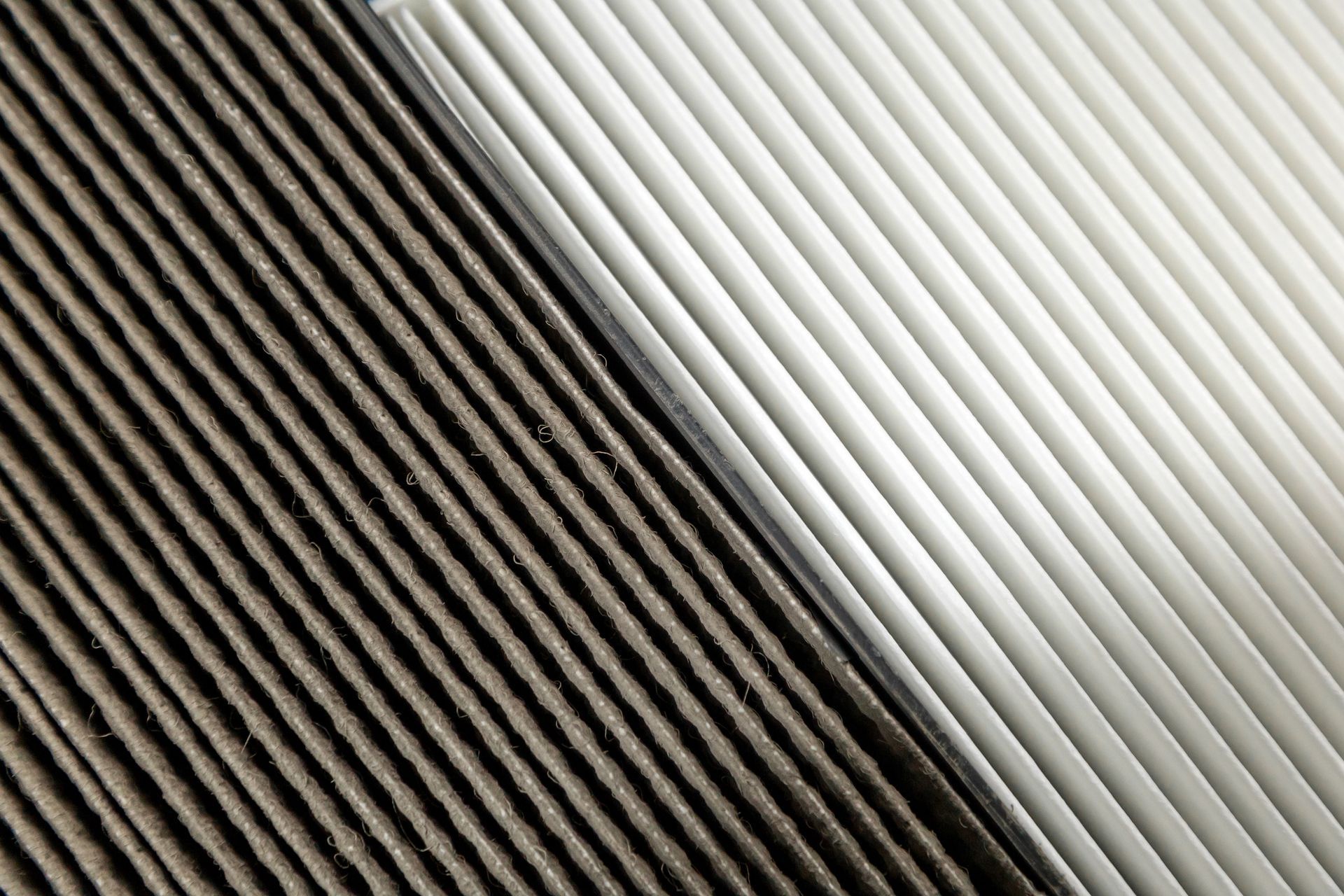
After the initial rack installation, only the grease pillow needs to be replaced. Filters are typically changed after each exhaust fan cleaning, though cooking volume dictates frequency. Generic cups must be manually emptied and are easy to overlook during busy service periods. An overfull cup is a direct code violation and a fire hazard.
Choosing the Right Driploc Configuration
If grease is only leaking from the condensation drain, a standard Driploc rack will likely provide adequate protection. If grease is escaping from other points, a Driploc 360 or catch-all system is a better starting point. A high-volume Sedona kitchen running charbroilers or open-flame cooking may need the 7-inch rack or a full 360-degree system rather than the low-volume box.
Frequently Asked Questions
Does a Generic Grease Cup Satisfy NFPA 96?
A basic, unlisted catch cup may not fully satisfy NFPA 96's requirement for a listed grease collection system, particularly if it lacks a rainwater drain or overflows before scheduled service. Restaurant owners should verify that any system meets the listed and labeled criteria in Section 7.8.2.1.
How Often Should Driploc Pillows Be Changed?
There is no universal answer. Contributing factors include what you cook, how often, what cooking methods you use, and how frequently your hood system is cleaned. Coordinating pillow changes with scheduled hood cleanings is a common and efficient practice.
Can I Install a Driploc System Myself?
The hardware may be manageable for a confident installer, but sizing, placement, and code compliance often benefit from professional review. An incorrectly sized system can overflow just as easily as a generic cup. Working with a qualified hood cleaning technician familiar with Sedona, AZ, ensures the right system is matched to your specific fan and cooking volume.
Will Grease on My Roof Void My Roofing Warranty?
Yes. Grease contamination can void your roof's manufacturer warranty, and most manufacturers will not cover damage caused by grease and oil. A properly installed and maintained containment system is one of the most direct ways to protect that warranty and avoid costly repairs.
Ready to Protect Your Sedona Restaurant's Roof and Stay Code-Compliant?
The difference between a purpose-built driploc grease system and a generic alternative comes down to drainage design, filter media quality, proper sizing, and code listing. For restaurants serving Sedona, AZ, and the surrounding Verde Valley, getting this right can mean avoiding failed inspections, denied insurance claims, and expensive roof repairs. AZ Bright Vents provides professional grease collection services and kitchen exhaust cleaning in Sedona, AZ to help local operators choose the right system, ensure proper installation, and stay ahead of NFPA 96 requirements.
Call
(928) 592-8406 to schedule a consultation, or
schedule your service online. You can also find and review
AZ Bright Vents on Google to see how other Arizona restaurant owners rate their experience.