NFPA 96 Commercial Kitchen Hood Cleaning Requirements for Arizona Restaurants: What Phoenix Operators Must Know in 2026
NFPA 96 sets the national standard for commercial kitchen fire safety, and Phoenix restaurant operators need to understand exactly what it requires in 2026 to stay compliant, avoid costly violations, and protect their business. Commercial kitchen hood cleaning is a legal mandate in Arizona, not simply a maintenance preference, and the rules are more specific than many operators realize. This guide covers NFPA 96 cleaning frequency schedules, how Maricopa County oversight works, what proper documentation looks like, and what is at stake if you fall behind.
What NFPA 96 Actually Requires for Phoenix Kitchens
NFPA 96 governs how commercial kitchen exhaust systems must be maintained. Arizona has adopted it as part of local fire code, making compliance a legal obligation rather than a recommendation.
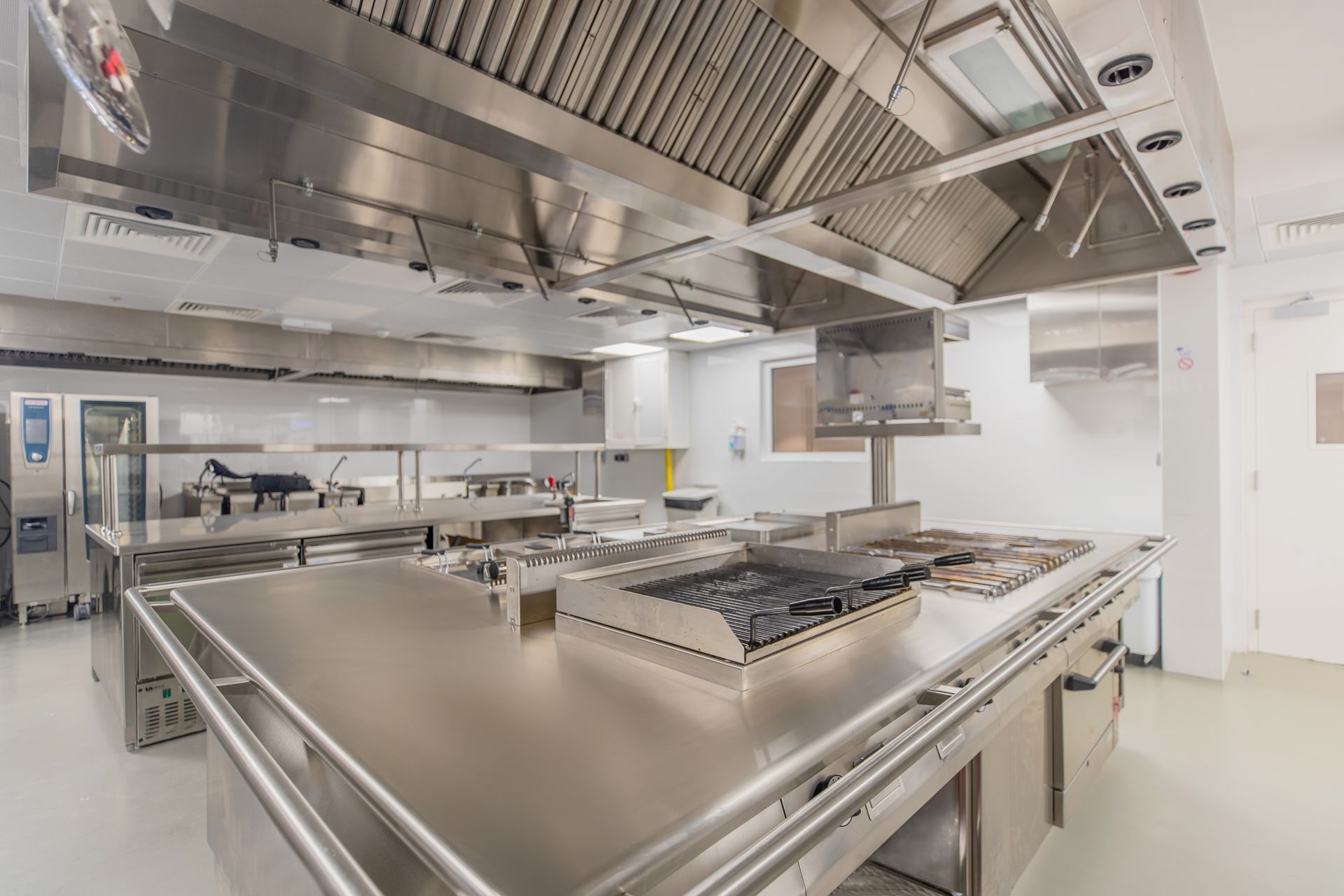
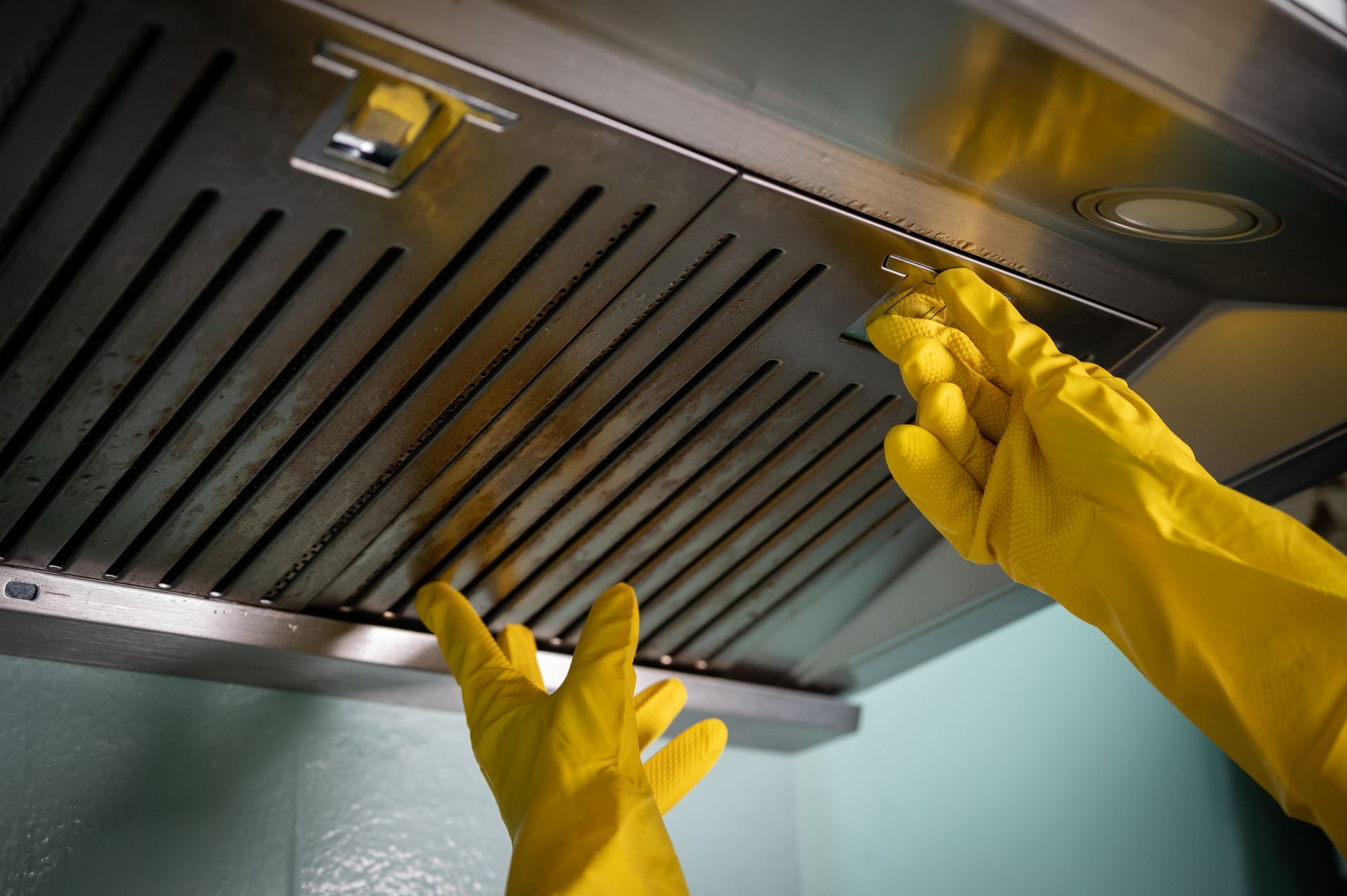
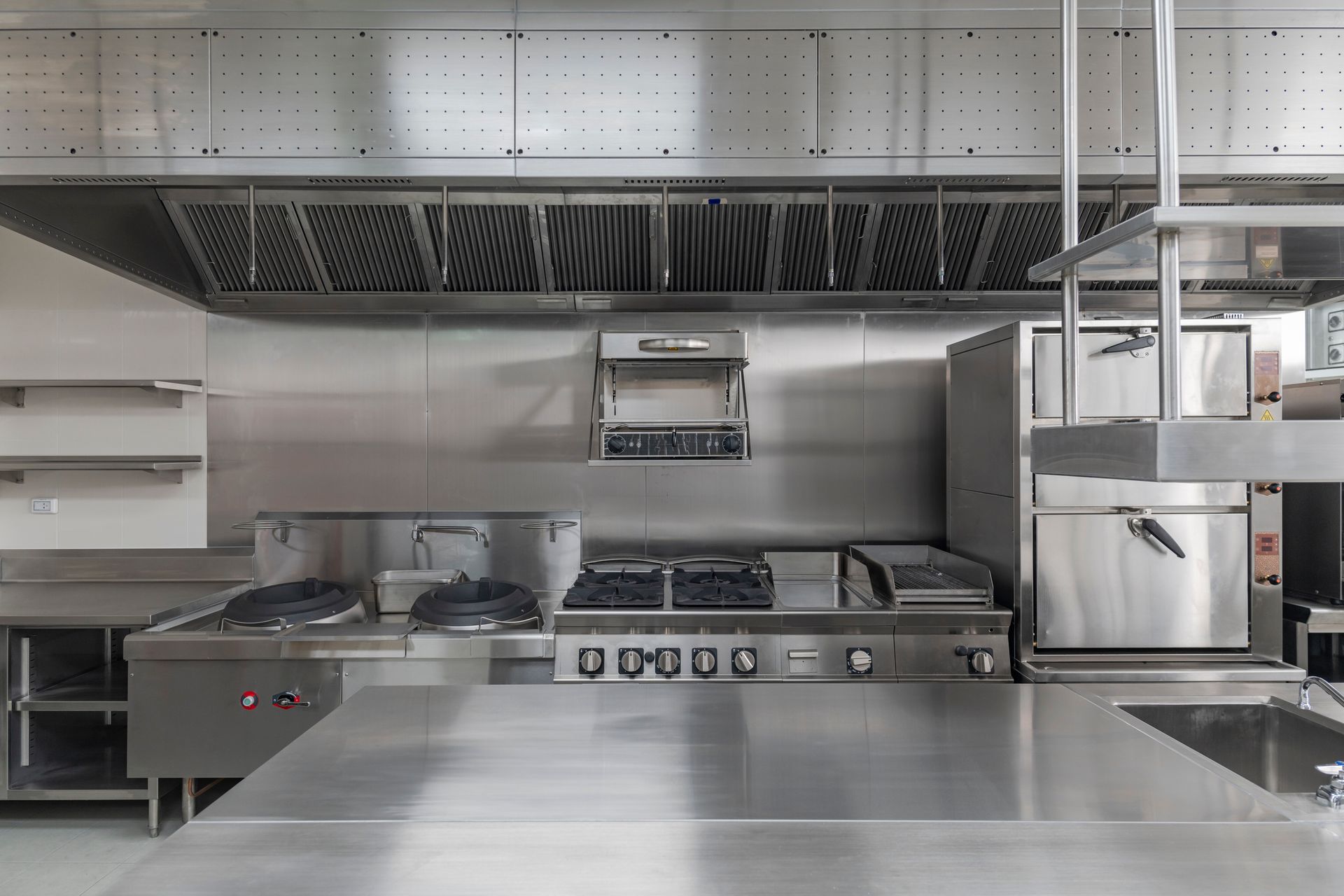
The standard requires that the entire exhaust pathway be cleaned to bare metal, covering the hood canopy, plenum, grease filters, all ductwork sections, and the rooftop exhaust fan. Ductwork must also have access panels installed so technicians can reach interior surfaces. Sealed or inaccessible ductwork is a code violation and a common failure point during inspections.
Phoenix's dry desert climate adds urgency. Grease deposited inside exhaust systems can dry and harden faster in arid conditions, and many Phoenix operators choose commercial kitchen hood cleaning intervals more frequent than national minimums because of these conditions.
NFPA 96 Cleaning Frequency Schedule by Kitchen Type
Cleaning frequency under NFPA 96 depends on cooking volume and fuel type, not operator preference. The standard establishes four primary intervals:
- Monthly: Required for kitchens using solid fuel cooking equipment such as wood-fired ovens, mesquite grills, or charcoal broilers. These operations produce the highest grease output and greatest fire risk.
- Quarterly: Required for high-volume operations running long service hours, heavy frying, or charbroiling without solid fuel. Most full-service Phoenix restaurants running lunch and dinner fall into this category.
- Semi-annually: Applies to moderate-volume establishments with lower grease output, such as cafeterias or senior centers.
- Annually: Reserved for very low-volume or seasonal operations such as day camps or concession stands
These are minimums. If grease accumulates faster than the interval allows, NFPA 96 requires cleaning to happen sooner. A certified technician can assess your system and recommend the right schedule for your actual cooking profile. The standard's requirements follow the cooking operation, not the restaurant category, so scheduling commercial kitchen hood cleaning on the correct cycle is one of the most straightforward ways to stay compliant.
The Maricopa County Oversight Context
Restaurant sanitation in Phoenix is overseen by the Maricopa County Environmental Services Department, which conducts routine inspections using a violation-point system where critical violations carry significant weight. The Phoenix Fire Department enforces NFPA 96 standards on a separate channel. Both can catch exhaust system deficiencies. A health inspector may flag inadequate hood maintenance as a sanitation concern, while a fire marshal focuses directly on grease buildup, documentation, and ductwork access. Operating with a non-compliant hood can result in fines or loss of a certificate of occupancy.
What Compliant Documentation Looks Like
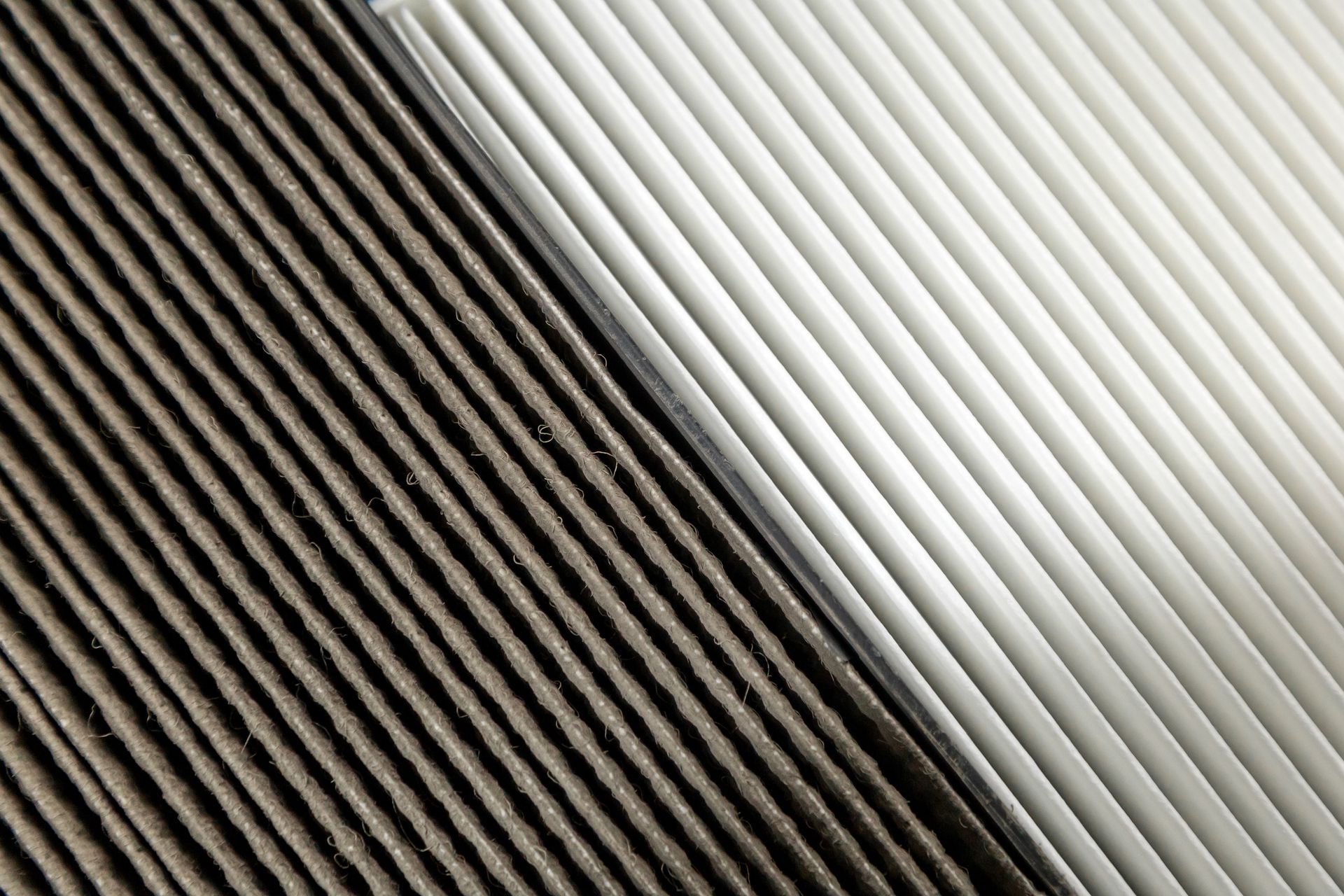
Every commercial kitchen hood cleaning service must produce written documentation that includes the provider's name and contact information, the service date, technician identification, a list of all components serviced, before-and-after photos of the hood, ductwork, and rooftop fan, and a written note of any areas that were inaccessible or not cleaned.
Phoenix fire marshals and Maricopa County inspectors may request this paperwork during any routine or complaint-driven inspection. Insurance carriers often require it as a condition of coverage. Failing to produce documentation when asked, even if a cleaning was performed, can be treated as non-compliance. Keep all service reports on-site and organized by date, and reassess your cleaning interval any time your menu, cooking volume, or equipment changes.
Consequences of Non-Compliance for Phoenix Operators
A failed hood inspection can trigger citations from the local fire marshal or Authority Having Jurisdiction (AHJ), mandatory shutdowns until compliance is restored, and loss of insurance coverage or increased premiums. Many policies require regular commercial kitchen hood cleaning as part of risk management. Non-compliance may lead to denied claims after a fire, higher premiums, or policy cancellation.
The financial and reputational consequences of a kitchen fire are severe. Data consistently cited in the industry suggests a significant percentage of restaurants that experience a fire do not reopen. Staying on schedule with commercial kitchen hood cleaning in Phoenix, AZ, is about keeping your operation, your staff, and your customers safe.
How Often Should Phoenix Restaurants Schedule Hood Cleaning?
Most full-service Phoenix restaurants running lunch and dinner should schedule commercial kitchen hood cleaning quarterly. High-volume operations using open flames, charbroilers, or solid-fuel equipment may need monthly service. A certified technician can evaluate your system and recommend the right interval.
What Should a Compliant Hood Cleaning Service Include?
A compliant service must cover the complete exhaust system from the cooking surface to the rooftop fan, including grease filters, the plenum, all ductwork sections, and the rooftop exhaust unit, all cleaned to bare metal. The provider must supply written documentation with before-and-after photos and a record of any inaccessible or deficient areas.
Stay Compliant With Trusted Arizona Service
Staying compliant means knowing your cleaning interval, scheduling service with a qualified provider, and keeping your documentation ready for any inspection. If you are unsure where your operation falls under the standard, a professional system assessment is the right starting point.
AZ Bright Vents serves Phoenix, AZ, and the surrounding Valley with professional, NFPA 96-compliant commercial kitchen hood cleaning. As a veteran-owned company, AZ Bright Vents cleans to bare metal from the hood through the ductwork to the rooftop exhaust fan and provides full service documentation to support fire marshal and insurance requirements. To learn more, visit the kitchen exhaust cleaning services page. Ready to get on a compliant schedule? Contact AZ Bright Vents today or call (928) 592-8406 to request a quote for your Phoenix-area kitchen.